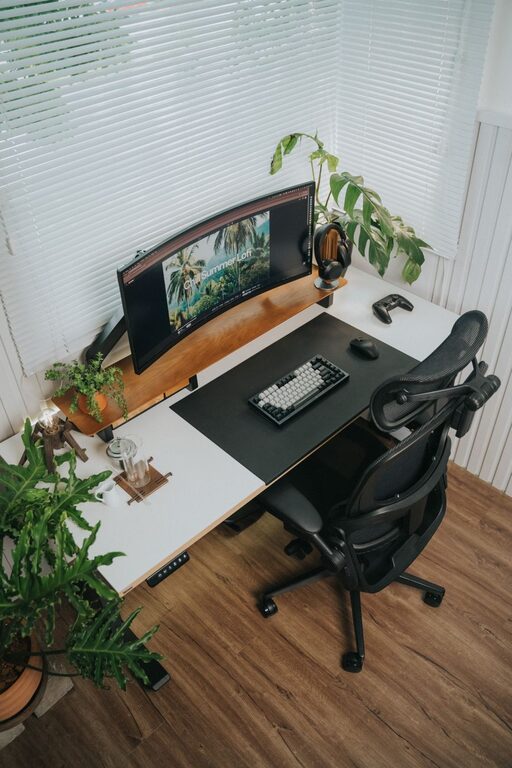
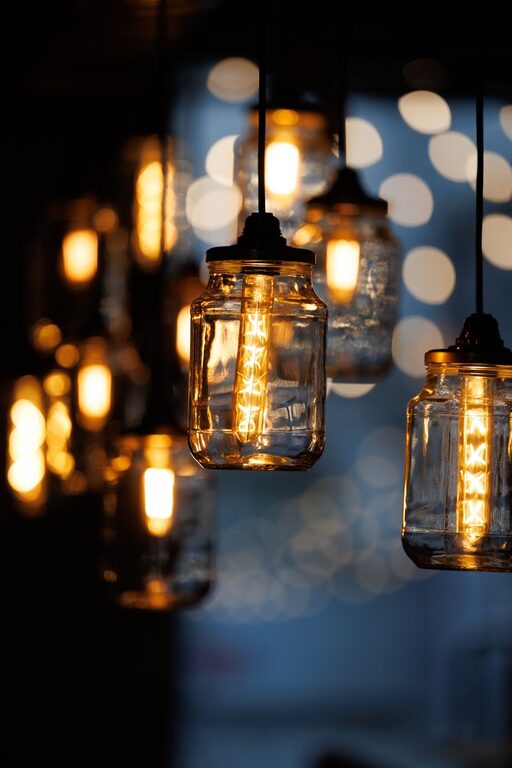
Creating a comfortable lighting environment in your home is essential for both functionality and ambiance. The right lighting not only brightens your space but also impacts your mood, productivity, and eye comfort. Whether you’re redesigning your living room or upgrading your kitchen lights, choosing the right home lighting involves more than just picking a pretty fixture. Here are some helpful tips to guide you in selecting comfortable lighting that fits your lifestyle and space.
Understand Different Types of Lighting
Before you start shopping, it’s important to know the three main types of lighting that work together to create a balanced space:
– Ambient lighting: This is the general lighting that illuminates the whole room. Ceiling fixtures, recessed lights, or wall sconces often serve this purpose.
– Task lighting: Focused lighting used for specific activities like reading, cooking, or working. Desk lamps or under-cabinet lights are examples.
– Accent lighting: Used to highlight artwork, plants, or architectural features, adding depth and visual interest.
Combining these types allows you to customize the lighting according to your needs at any time of day.
Choose the Right Brightness Level
Brightness is measured in lumens, and selecting the correct level is crucial for comfort:
– For living rooms or bedrooms, aim for softer lighting around 1,500-3,000 lumens.
– Kitchens and workspaces generally need 3,000-4,000 lumens for clear visibility.
– Bathrooms may require 4,000 lumens or more, especially near mirrors.
Avoid overly bright lights that cause glare and discomfort, or dim lights that leave you straining your eyes.
Pick the Ideal Color Temperature
Color temperature is measured in Kelvins (K) and affects the look and feel of your room:
– Warm white (2700K-3000K): Creates a cozy, inviting atmosphere ideal for living rooms and bedrooms.
– Neutral white (3500K-4100K): Offers a balance between warm and cool, suitable for kitchens or bathrooms.
– Cool white (5000K-6500K): Mimics daylight and is great for workspaces or garages.
Choosing a temperature that matches the room’s purpose enhances comfort and functionality.
Opt for Adjustable and Layered Lighting
Flexibility is key to comfortable lighting. Look for fixtures with:
– Dimmers: Allow you to control light intensity, creating the perfect mood or adapting to different tasks.
– Multiple light sources: Use a combination of lamps, ceiling lights, and wall fixtures to layer lighting and reduce harsh shadows.
– Smart bulbs: These can change color temperature and brightness via apps or voice control, offering personalized lighting at your fingertips.
Layered lighting helps avoid eye strain and makes your space feel more dynamic.
Consider Energy Efficiency and Bulb Types
Energy-efficient bulbs save money and reduce environmental impact without sacrificing comfort:
– LED bulbs: Highly energy-efficient, long-lasting, and available in a range of brightness and color temperatures.
– Compact Fluorescent Lamps (CFLs): More efficient than traditional bulbs but contain small amounts of mercury, so handle carefully.
– Incandescent bulbs: Less efficient and shorter-lived but offer warm light that some people prefer.
Most modern LED bulbs offer excellent light quality and are the best choice for comfortable, eco-friendly home lighting.
Mind the Placement and Fixture Style
Where and how you place your lighting fixtures affects comfort:
– Avoid positioning lights directly in your line of sight, which can cause glare.
– Use shades or frosted bulbs to soften light and reduce harshness.
– Select fixtures that complement your room’s style and scale, balancing aesthetics with function.
Good placement minimizes eye strain and contributes to a welcoming atmosphere.
Pay Attention to Light Quality and Flicker
Not all lights are created equal. Some low-quality bulbs may flicker subtly, causing headaches or eye discomfort over time.
– Choose bulbs with a high Color Rendering Index (CRI) — ideally above 80 — for accurate and pleasant color display.
– Purchase bulbs from reputable brands that guarantee flicker-free operation.
Good light quality improves visual comfort and creates a healthier environment.
Test Your Lighting Choices
Before finalizing your purchase:
– Test bulbs at home to see how they look in your natural lighting.
– Experiment with different combinations and dimmer settings.
– Observe how lighting affects your mood and activities throughout the day.
Taking the time to try out options ensures you select lighting that truly suits your needs.
—
Creating a comfortable lighting setup at home enhances both your well-being and the beauty of your space. By understanding lighting types, selecting the right brightness and color temperature, emphasizing adjustability and energy efficiency, and paying attention to placement and quality, you can enjoy a well-lit, comfortable home environment. Remember to take your time testing and layering your lighting to find the perfect balance for every room.
About the Author