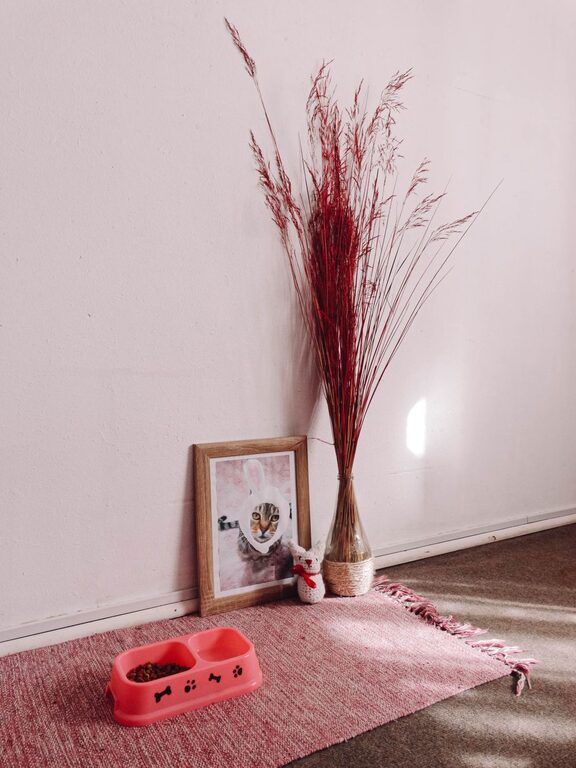

Creating a peaceful and relaxing environment at home starts with choosing the right colors. Calm colors have the power to soothe your mind, reduce stress, and make your living spaces feel more comfortable. Whether you’re painting a single room or redecorating your entire home, selecting calm colors thoughtfully can transform your space into a serene retreat.
In this post, we’ll explore helpful tips for choosing calm colors that suit your style and create a balanced, inviting atmosphere.
Understanding Calm Colors
Calm colors are typically soft and muted tones that evoke a sense of tranquility. These colors often include gentle shades of blue, green, gray, beige, and lavender. They are less stimulating than bright or bold colors and tend to create a peaceful mood.
Why Choose Calm Colors?
– Promote relaxation and reduce anxiety
– Make rooms feel more spacious and airy
– Provide a neutral backdrop for furniture and accessories
– Help improve focus and sleep quality
Tips for Choosing Calm Colors
1. Consider the Room’s Purpose
Start by thinking about how you use the room. Different colors work better depending on the space’s function.
– Bedroom: Soft blues, gentle greens, or warm neutrals promote rest and relaxation.
– Living room: Warm grays or muted earth tones create a cozy, welcoming vibe.
– Bathroom: Light blues and greens can evoke freshness and calmness.
– Home office: Subtle blues and soft neutrals help maintain focus without distraction.
2. Use a Color Palette That Works Together
Select a color palette with two or three calm shades that complement each other. Harmonious colors create a smooth flow throughout your home and prevent visual clutter.
– Choose one main color and use the others as accents.
– Use color palettes tools online to find matching calm tones.
– Consider how the colors will look under different lighting conditions.
3. Test Samples Before Committing
Paint small patches on the walls and observe how the color changes throughout the day. Natural light, artificial lighting, and shadows can all affect the color perception.
– Use sample pots or peel-and-stick swatches.
– View samples in the morning, afternoon, and evening.
– Take photos to better compare colors at different times.
4. Balance Warm and Cool Tones
Calm colors can be either warm (like beige or soft peach) or cool (like pale blue or mint green). Balancing these tones can make your space more dynamic but still peaceful.
– Warm tones add coziness and a welcoming feel.
– Cool tones promote serenity and spaciousness.
– Combining both can help balance the mood in common areas.
5. Layer with Neutrals and Natural Elements
Neutrals like white, cream, taupe, and gray act as perfect companions to calm colors. They prevent overwhelming the space and enhance the soothing effect.
– Add neutral-colored furniture or decor items.
– Incorporate natural textures like wood, linen, or stone.
– Plants also add calmness through greenery and nature connection.
6. Avoid Overly Saturated Colors
Bright, intense colors can be energizing but often conflict with the goal of calmness.
– Choose colors with muted saturation or pastel tones.
– Be cautious with red, bright yellow, or neon shades for calm spaces.
– If you want color pops, use them sparingly as accents, such as pillows or artwork.
7. Consider Color Psychology
Certain colors are widely associated with calming effects:
– Blue: Encourages relaxation and can lower blood pressure.
– Green: Represents nature and balance, providing a refreshing feel.
– Lavender: Offers a gentle, restful ambiance.
– Soft Gray: Neutral and elegant, helping to ground a space.
Keep in mind that personal preferences and cultural factors influence how colors are perceived. Choose shades that make you feel comfortable and happy.
Additional Tips for a Calm Home Environment
– Use soft lighting, like lamps with warm bulbs or dimmers.
– Declutter your space to complement the calm color scheme.
– Add cozy textiles like throws, cushions, and rugs in calming colors.
– Keep window treatments light to allow natural daylight in.
Conclusion
Choosing calm colors for your home doesn’t have to be complicated. By considering the room’s purpose, balancing warm and cool tones, testing samples, and layering neutrals and natural elements, you can create a soothing and inviting atmosphere that enhances your daily life. Take your time exploring shades that bring you peace, and enjoy the transformation of your space into a calm sanctuary.
About the Author