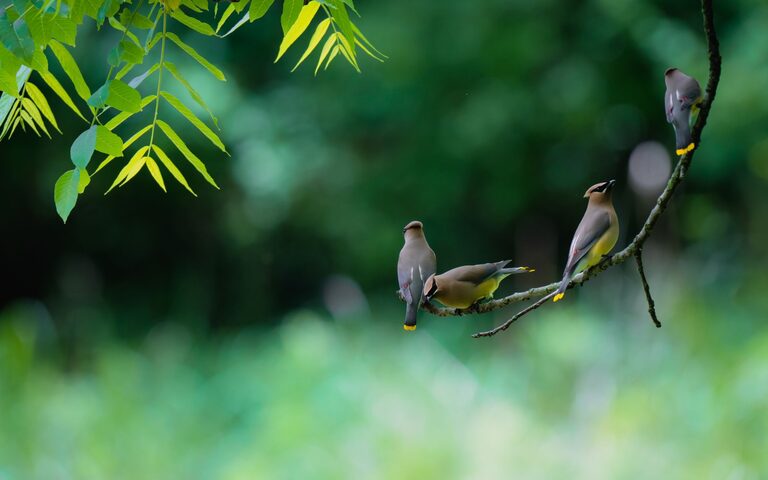
Birdwatching is a relaxing and rewarding hobby that anyone can enjoy, especially right in their own backyard. Whether you live in a city or the countryside, watching birds can help you connect with nature, reduce stress, and learn about local wildlife. If you’re new to birdwatching, this guide will walk you through essential tips to get started and make the most of your backyard birdwatching experience.
Why Choose Backyard Birdwatching?
Backyard birdwatching is convenient and accessible. You don’t need special equipment or a lot of time to enjoy it. Plus, it can be a wonderful way to involve family members or friends in a peaceful outdoor activity.
Some benefits include:
– Observing nature up close
– Helping local bird populations by providing food and shelter
– Enhancing your knowledge of different bird species
Getting Started: What You Need
Starting backyard birdwatching doesn’t require a big investment. Here’s a list of basic items to help you begin:
1. Bird Identification Guide or App
A field guide or a smartphone app will help you identify the birds you see. Many apps include photos, bird songs, and tips for spotting different species.
2. Binoculars
While not absolutely necessary, a pair of good binoculars helps you get a closer look at birds without disturbing them. Choose lightweight binoculars with a magnification of around 8x for beginners.
3. Bird Feeder and Food
Setting up a feeder is an excellent way to attract birds. Different birds prefer different foods, so consider a variety such as:
– Black oil sunflower seeds (popular with many songbirds)
– Nyjer (for finches)
– Suet (especially in colder months)
– Peanuts (unsalted and unroasted)
4. Water Source
Birds need fresh water for drinking and bathing. A simple birdbath or shallow dish can encourage more visitors.
Choosing the Right Spot in Your Backyard
Location is key when setting up your birdwatching station.
– Place feeders and birdbaths near natural cover like shrubs or trees. This provides birds with shelter and a safe place to retreat.
– Avoid areas with heavy foot traffic or loud noises.
– Position feeders where you can watch birds comfortably from a window or a quiet seating area.
Tips for Attracting Birds to Your Backyard
Here are some simple steps to invite more feathered friends to your space:
Plant Native Trees and Shrubs
Native plants offer natural food sources like berries, seeds, and insects that birds rely on. They also provide shelter and nesting spots.
Use a Variety of Feeders
Different birds prefer different types of feeders:
– Tube feeders attract small songbirds.
– Hopper feeders work well for larger birds.
– Platform feeders are versatile and attract a broad range of species.
Keep Feeders Clean
Regularly clean feeders and birdbaths to prevent disease. Once a week is a good rule of thumb.
Provide Natural Shelter
If you have space, consider planting bushes or installing a birdhouse. This can encourage birds to nest and spend more time near your home.
Observing and Enjoying Birdwatching
Once your backyard is ready, spend time quietly observing. Here are some tips:
Be Patient and Quiet
Birds can be shy. Avoid sudden movements and loud noises to prevent scaring them away.
Keep a Bird Journal
Note the species you see, the time of day, and feeding habits. This will improve your identification skills and give you a record of your backyard visitors.
Learn Bird Calls
Listening to bird songs and calls can help you identify birds that are hiding or hard to spot.
Use a Camera or Sketchbook
Capturing images or sketches of birds helps reinforce your learning and creates lasting memories.
Safety and Ethical Considerations
When birdwatching, respect the birds and their environment:
– Avoid disturbing nests or young birds.
– Don’t feed birds harmful foods like bread or chocolate.
– Place feeders safe from predators such as cats.
– Use feeders responsibly to prevent overcrowding and spread of disease.
Additional Resources for Backyard Birdwatchers
– Join local birdwatching groups or online communities to share tips and sightings.
– Participate in citizen science projects like the Audubon Christmas Bird Count.
– Check out birdwatching books or videos tailored for beginners.
Final Thoughts
Backyard birdwatching is a delightful hobby that can bring nature’s wonders closer to daily life. By setting up a welcoming environment and learning a few basics, you’ll soon enjoy a steady stream of fascinating birds to observe and appreciate. Remember, patience and curiosity are your best companions on this journey.
Happy birdwatching!
About the Author