
Living in a noisy environment can be stressful and distracting. Whether you’re dealing with street noise, noisy neighbors, or everyday sounds inside your home, finding ways to reduce noise can improve your comfort and well-being. The good news is that there are many simple and affordable strategies you can use to create a quieter home without major renovations.
In this post, we’ll explore practical tips and ideas to help you reduce noise at home, from small changes you can make right now to easy adjustments that have a big impact.
Understanding Noise Sources in Your Home
Before tackling noise, it’s helpful to understand where it’s coming from. Common noise sources include:
– Outdoor noise: Traffic, construction, loud neighbors, and nature sounds like barking dogs or lawnmowers.
– Indoor noise: Appliances, footsteps, TVs, conversations, and echoes inside rooms.
Identifying which noises bother you most can help you decide which solutions to try first.
Simple Ways to Reduce Noise Indoors
1. Use Soft Furnishings to Absorb Sound
Hard surfaces reflect sound, which can make rooms noisy and echoey. Adding soft materials helps absorb sound waves and reduces overall noise.
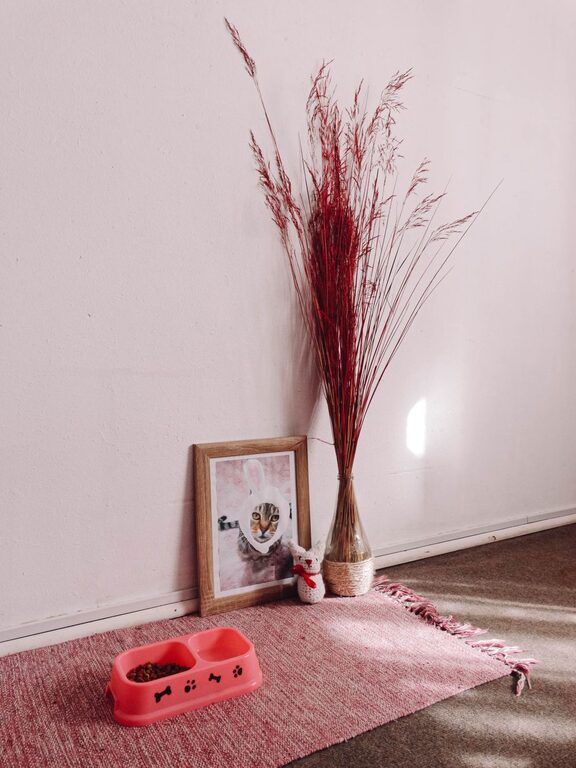
– Rugs and carpets: Place rugs on hard floors to muffle footsteps and reduce echo.
– Curtains and drapes: Heavy or lined curtains can block noise from outside and absorb indoor sounds.
– Cushions and upholstered furniture: These also help dampen sound in living areas.
Even small amounts of soft textiles can make a noticeable difference.
2. Seal Gaps Around Doors and Windows
Gaps and cracks let noise slip in, especially street sounds or noisy neighbors.
– Weatherstripping: Apply weatherstripping tape around doors and window frames to close gaps.
– Door sweeps: Install on the bottom of doors to block sound and drafts.
– Window seals: Use caulk or sealant around window edges if you spot cracks.
These fixes are inexpensive and simple to do yourself.
3. Rearrange Furniture Strategically
Furniture can act as a sound barrier when placed thoughtfully.
– Position large bookcases or shelves against walls that face noisy streets.
– Use upholstered furniture to break up open spaces where sound can bounce.
– Avoid placing beds or desks near walls shared with noisy neighbors if possible.
Moving furniture may reduce noise without any cost.
Addressing Outdoor Noise
4. Add Plants and Greenery
Plants not only beautify your home but also help reduce noise.
– Use dense shrubs and bushes near windows facing busy streets.
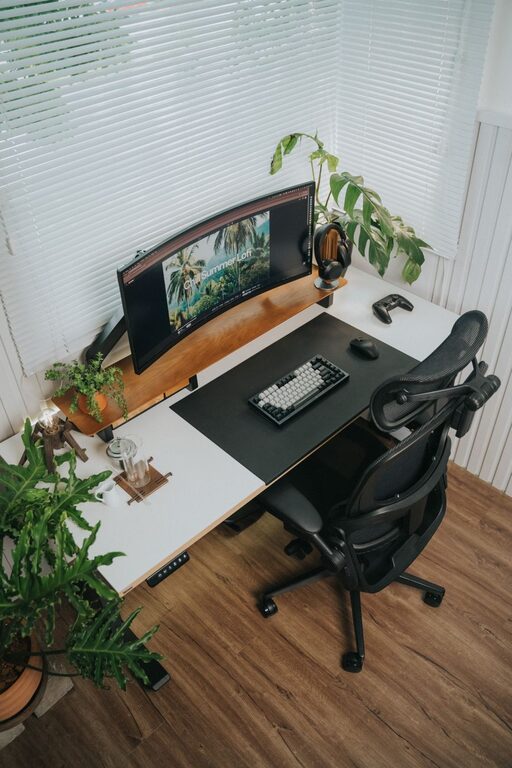
– Indoor plants can absorb some sound within rooms.
– Green walls or vertical gardens work well in small outdoor spaces.
5. Install Outdoor Noise Barriers
If outdoor noise is a big problem, consider these options:
– Fences: Solid wood or vinyl fences can block some noise.
– Privacy screens: Add screens with sound-absorbing materials.
– Trees: Planting trees along property lines creates a natural sound barrier over time.
Reducing Noise from Appliances and Electronics
6. Maintain Your Appliances
Noisy appliances often get louder when parts wear out.
– Regularly service HVAC units, refrigerators, and washing machines.
– Tighten loose parts that may rattle.
– Replace old or malfunctioning appliances with quieter models if possible.
7. Use Soundproofing Materials for Noisy Rooms
Rooms like laundry areas or home offices can be noisy but easy to improve.
– Add acoustic panels or foam to walls.
– Use heavy curtains or room dividers.
– Place rugs or mats to reduce vibration noise.
Additional Tips for a Quieter Home
– Use white noise machines or fans to mask unwanted sounds.
– Close doors and windows to limit noise travel between rooms.
– Encourage quiet habits among household members, like using headphones for music or TV.
Conclusion
Reducing noise at home doesn’t have to be complicated or expensive. By bringing in soft furnishings, sealing gaps, rearranging furniture, and adding plants and noise barriers, you can create a more peaceful environment. Small steps combined can make a big difference, helping you enjoy your home with less stress and more calm.
Try these simple solutions and see which ones work best for your space. A quieter home is closer than you think!
About the Author