Starting an indoor herb garden is a rewarding way to bring fresh flavors into your kitchen while adding a touch of greenery to your living space. Whether you have a sunny windowsill or limited space, growing herbs indoors is simpler than you might think. This guide will walk you through everything you need to know to begin your small indoor herb garden successfully.
Why Grow Herbs Indoors?
Growing herbs indoors offers many benefits:
– Freshness and Convenience: Have fresh herbs at your fingertips for cooking.
– Year-Round Growth: Unlike outdoor gardens, indoor plants grow regardless of weather.
– Space-Saving: Perfect for apartments or homes without outdoor garden space.
– Aromatherapy and Decor: Herbs add pleasant scents and a splash of green to your living space.
Choosing the Right Herbs for Indoor Growth
Not all herbs thrive indoors equally. Some are better adapted to lower light and indoor conditions. Here are popular, easy-to-grow options:
– Basil: Loves warmth and sunlight, ideal for bright windows.
– Mint: Grows quickly and tolerates partial shade.
– Thyme: Prefers bright light and well-drained soil.
– Parsley: Does well with moderate sunlight.
– Chives: Adaptable and grow well in pots.
– Oregano: Needs plenty of light but is low maintenance.
Consider your kitchen’s lighting and pick herbs that will thrive in your specific conditions.
What You’ll Need to Get Started
Gather these basic supplies before planting:
– Containers: Pots with drainage holes are essential to prevent waterlogging. You can use traditional pots, recycled containers, or even special herb garden kits.
– Potting Soil: Use a light, well-draining potting mix designed for indoor plants.
– Seeds or Starter Plants: Seeds are cost-effective but take longer. Starter plants give a quicker start.
– Watering Can: For controlled watering.
– Fertilizer: Mild liquid fertilizer formulated for herbs or vegetables.
– Light Source: A sunny window or supplemental grow lights if natural light is limited.
Step-by-Step Guide to Planting Your Indoor Herb Garden
Step 1: Choose Your Containers
Select pots that fit your available space and have drainage holes. Herbs don’t like sitting in water, so drainage is important to prevent root rot.
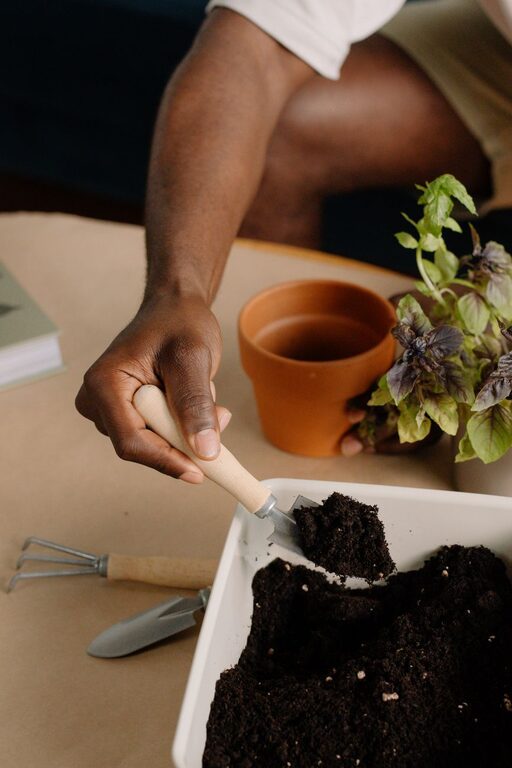
Step 2: Prepare the Soil
Fill each container with potting soil. Avoid using garden soil, which may be too dense and could contain pests.
Step 3: Plant Seeds or Transplants
– Seeds: Follow the packet instructions for planting depth and spacing. Lightly cover seeds with soil.
– Starter Plants: Gently loosen roots if root-bound, place in soil, and cover the roots.
Step 4: Water Carefully
Water the soil gently until moist but not soggy. Maintain consistent moisture—too dry or too wet can harm herbs.
Step 5: Position Your Herbs for Light
Place your pots where they will get at least 6 hours of bright, indirect sunlight daily. A south-facing window is ideal.
Step 6: Maintain Your Garden
– Watering: Check soil moisture regularly, typically watering when the top inch feels dry.
– Feeding: Fertilize every 4–6 weeks with a diluted liquid fertilizer.
– Pruning: Harvest leaves regularly to encourage bushier growth.
– Pest Checks: Keep an eye out for pests like aphids or spider mites.
Troubleshooting Common Indoor Herb Issues
– Yellowing Leaves: Could be a sign of overwatering or poor drainage.
– Weak Growth: May indicate insufficient light or nutrients.
– Leggy Plants: Often due to lack of light. Move herbs closer to a window or add grow lights.
– Pests: Remove pests manually or use natural remedies like neem oil.
Tips for Success and Enjoyment
– Start small with 3 to 5 herb varieties you use often.
– Rotate pots every few days to ensure even light exposure.
– Use harvesting scissors to trim herbs above a leaf node; this helps plants regenerate.
– Experiment with cooking: fresh herbs work well in salads, soups, and drinks.
– Share cuttings with friends to expand your garden effortlessly.
Conclusion
Starting a small herb garden indoors is an enjoyable and practical way to enhance your cooking and bring nature into your home. By selecting the right herbs, providing proper care, and maintaining your plants thoughtfully, you can enjoy fresh herbs all year round. With some patience and attention, your indoor herb garden will flourish and become a green corner of culinary delight.
Happy gardening!
About the Author